Alaskan Malamute vs Chinook
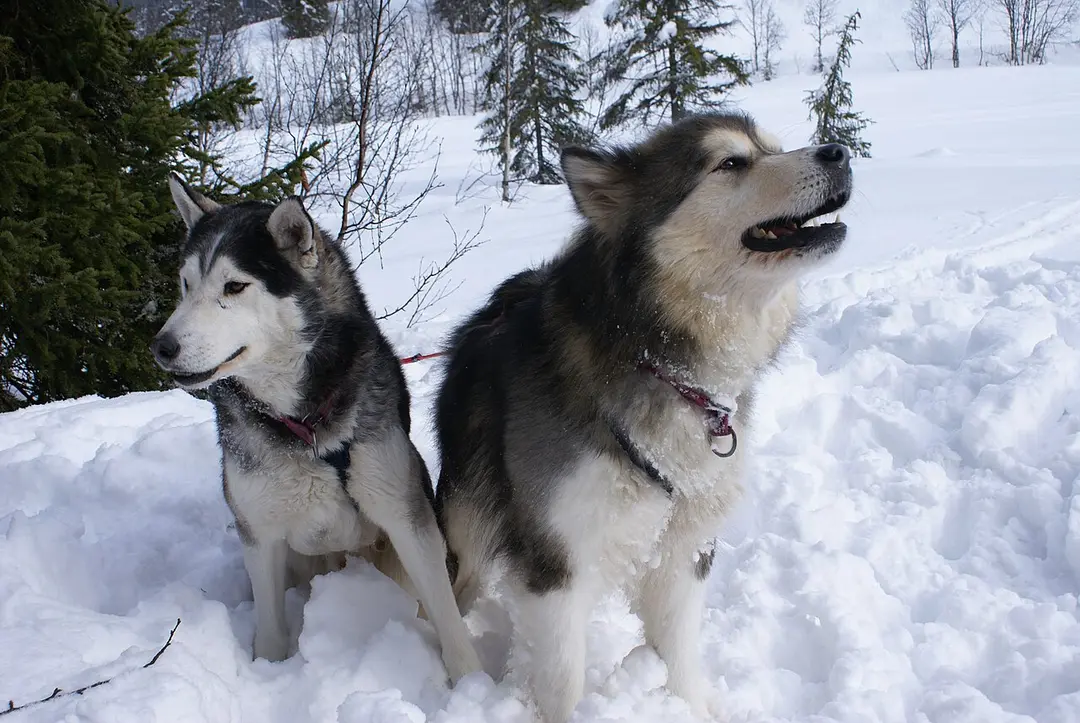
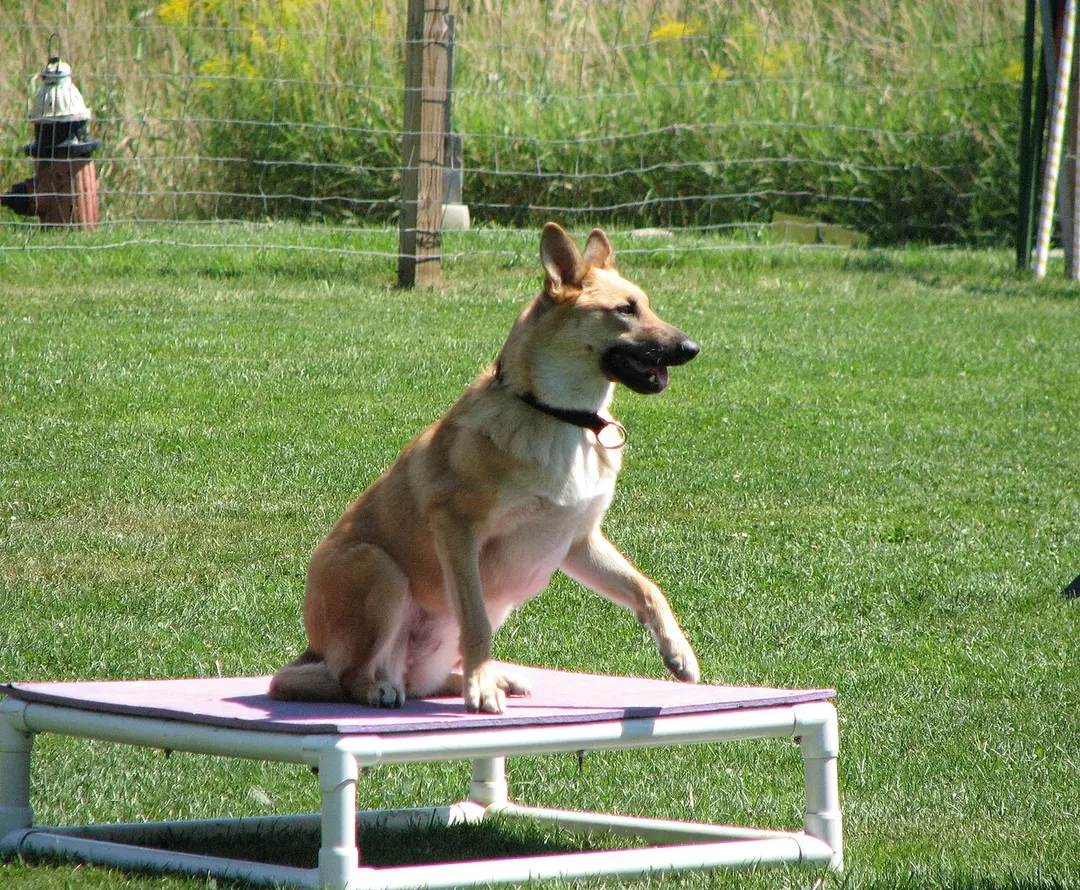
Side by side
Alaskan Malamute
Chinook
Adult weight
Males 35–42 kg (77–93 lb); females 31–37 kg (67–82 lb) (estimated: ±10% around the AKC/AMCA standard's desirable freighting size, 85 lb dogs and 75 lb bitches)
Males 25–41 kg (55–90 lb); females 23–29 kg (50–65 lb) (breed club figure)1
Fully grown
12 months, both sexes3
Shedding
Moults most as the seasons change
No sourced figure
Grooming
A brush once a week
No sourced figure
Exercise
Plenty
No sourced figure
Class
Working
Family
Which suits you
Size
The Alaskan Malamute is a little larger on average: about 36 kg (80 lb) as an adult, against 29 kg (65 lb) for the Chinook.
Temperament
They differ most on independence (Alaskan Malamute: decides for itself; Chinook: keen to work with you) and on prey drive (Alaskan Malamute: likely to chase small pets; Chinook: usually fine with small pets).
Neither is the better dog in general. Which suits you depends on your home, your days and the care you can give.
What they're like
Alaskan Malamute
Spitz & primitive · Large
Malamutes are affectionate and playful with people, strangers included, and make poor guard dogs.
Chinook
Working · Large
In temperament the Chinook is calm, gentle and affectionate, generally patient with children and with little urge to guard.
Breed traits
Day to day
Alaskan Malamute
Chinook
Activity
Differs
Needs lots of exercise
A good daily walk and play
Intelligence
Learns readily, likes games
Learns readily, likes games
Handler demand
Differs
Needs an experienced owner
Needs steady training
With people
Alaskan Malamute
Chinook
Affection
Affectionate on its own terms
Affectionate on its own terms
Loyalty
Differs
Friendly with everyone
Bonded to its family
Independence
Differs
Decides for itself
Keen to work with you
Around the home
Alaskan Malamute
Chinook
Sensitivity
Average
Average
Voice
Differs
Very vocal
Barks to alert, then settles
Prey drive
Differs
Likely to chase small pets
Usually fine with small pets
Puppy growth
Reference curves · both sexes
Summary
Detail
The Alaskan Malamute grows to the heavier adult, about 37 kg against the Chinook's 32 kg. The Alaskan Malamute's weight is not a published figure.
Alaskan Malamute
Chinook
More comparisons
Compare the Alaskan Malamute with
Sources
- 1American Kennel Club. Chinook breed page. ↑
- 2
- 3Hawthorne et al., 2004. Body-weight changes during growth in puppies of different breeds. Journal of Nutrition 134(8 Suppl): 2027S–2030S (WALTHAM). ↑
- 4
- 5
- 6
- 7Morrill et al., 2022. Ancestry-inclusive dog genomics challenges popular breed stereotypes. Science 376: eabk0639 (Darwin's Ark). ↑
- 8Dogs Trust. Finding a good, responsible breeder. ↑
- 9American Kennel Club. Screening puppy buyers: how top breeders find the best homes. ↑
- 10
Parts of this page were written by AI ·