Border Collie vs Shetland Sheepdog (Sheltie)
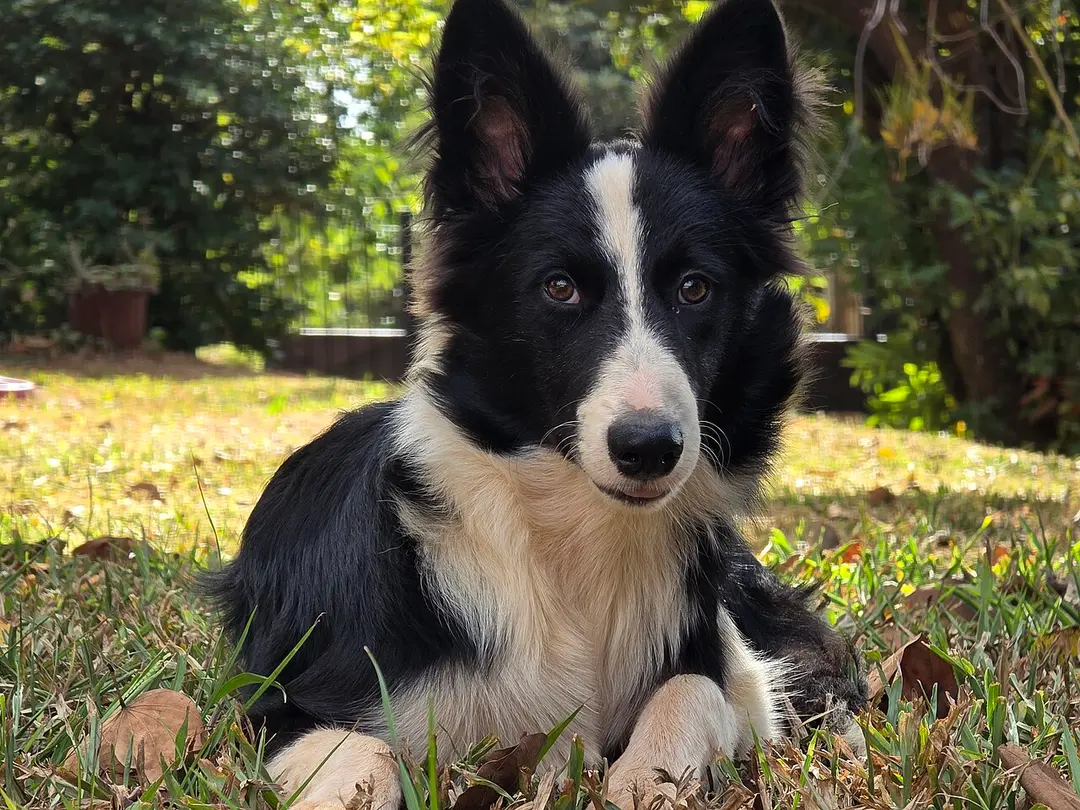
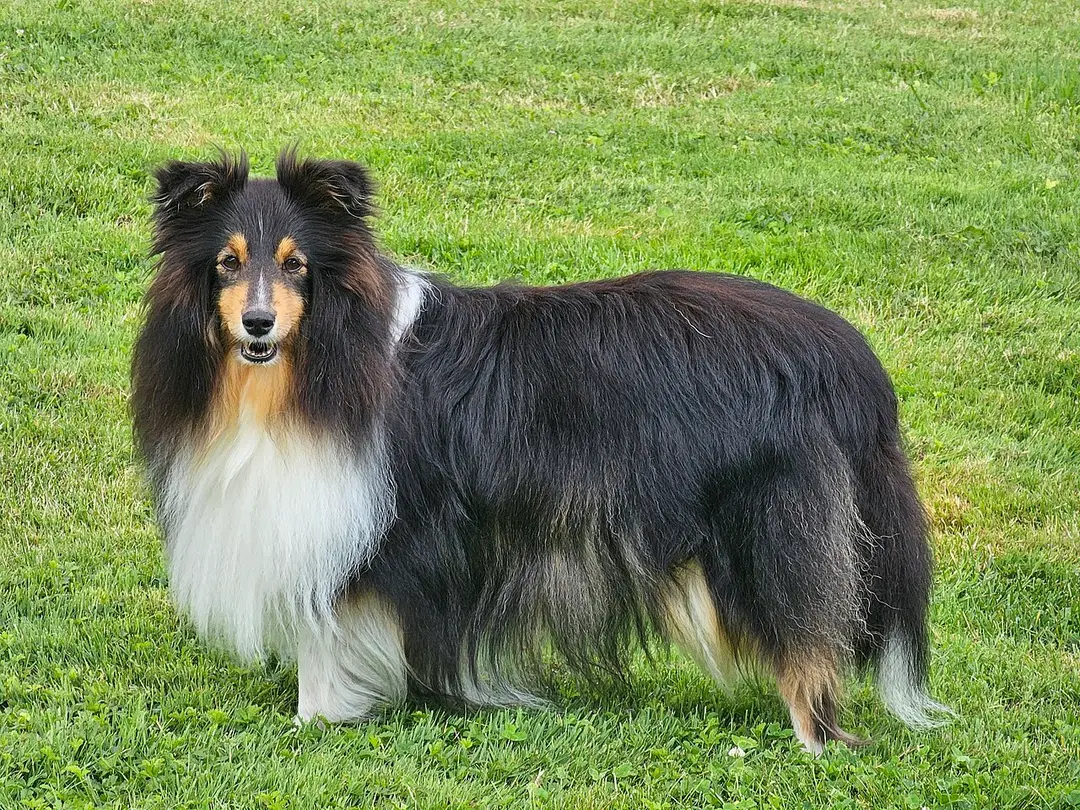
Side by side
Border Collie
Shetland Sheepdog
Adult weight
Males 14–25 kg (31–55 lb); females 12–19 kg (26–42 lb) (breed club figure)1
Males 7–11 kg (15–24 lb); females 6–10 kg (13–22 lb) (breed club figure)2
Shedding
Moults most as the seasons change
Grooming
No sourced figure
Daily brushing
Exercise
Plenty
Health
Class
Working
Companion
Which suits you
Size
The Border Collie is much larger: about 18 kg (39 lb) as an adult, against 8.5 kg (19 lb) for the Shetland Sheepdog.
Temperament
They differ most on affection (Border Collie: likes its own space; Shetland Sheepdog: a lap or leaning dog) and on handler demand (Border Collie: needs an experienced owner; Shetland Sheepdog: suits a first-time owner).
Alike
Both are rated the same on independence: keen to work with you.
Neither is the better dog in general. Which suits you depends on your home, your days and the care you can give.
What they're like
Border Collie
Sheepdogs & cattledogs · Medium
In temperament it learns quickly, concentrates hard and pays close attention to its handler.
Shetland Sheepdog
Sheepdogs & cattledogs · Small
Shelties learn quickly, respond well to handling and are closely attached to their own people, though they are often reserved with strangers.
Breed traits
Day to day
Border Collie
Shetland Sheepdog
Activity
Needs lots of exercise
Needs lots of exercise
Intelligence
Needs daily brain work
Needs daily brain work
Handler demand
Differs
Needs an experienced owner
Suits a first-time owner
With people
Border Collie
Shetland Sheepdog
Affection
Differs
Likes its own space
A lap or leaning dog
Loyalty
Sticks close to its people
Sticks close to its people
Independence
Keen to work with you
Keen to work with you
Around the home
Border Collie
Shetland Sheepdog
Sensitivity
Needs a calm, predictable home
Needs a calm, predictable home
Voice
Differs
Barks to alert, then settles
Very vocal
Prey drive
Chases; needs managing
Chases; needs managing
Puppy growth
Reference curves · both sexes
Summary
Detail
The Border Collie grows to the heavier adult, about 19 kg against the Shetland Sheepdog's 8.5 kg.
Border Collie
Shetland Sheepdog
More comparisons
Compare the Border Collie with
Rough Collie (Collie) vs Shetland Sheepdog (Sheltie)Australian Shepherd vs Border CollieBorder Collie vs Rough Collie (Collie)Miniature American Shepherd vs Shetland Sheepdog (Sheltie)Border Collie vs Miniature American ShepherdAustralian Shepherd vs Shetland Sheepdog (Sheltie)All breed comparisons →
Sources
- 1American Kennel Club. Border Collie breed page. ↑
- 2American Kennel Club. Shetland Sheepdog breed page. ↑
- 3
- 4Hawthorne et al., 2004. Body-weight changes during growth in puppies of different breeds. Journal of Nutrition 134(8 Suppl): 2027S–2030S (WALTHAM). ↑
- 5
- 6
- 7
- 8
- 9
- 10
- 11Morrill et al., 2022. Ancestry-inclusive dog genomics challenges popular breed stereotypes. Science 376: eabk0639 (Darwin's Ark). ↑
- 12Dogs Trust. Finding a good, responsible breeder. ↑
- 13American Kennel Club. Screening puppy buyers: how top breeders find the best homes. ↑
- 14
Parts of this page were written by AI ·